Yemen is commemorating the 59th anniversary of its National Independence Day on November 30th, a poignant moment shadowed by the ongoing Houthi coup, pervasive human rights violations, and the erosion of state institutions. This year's anniversary starkly contrasts with the nation's hard-won freedom from British colonialism, forcing a reflection on the sacrifices of past generations and posing new questions about liberty, sovereignty, and human dignity for Yemenis today.
It was on this day in 1967 that the last British soldier departed Aden, marking the end of 129 years of colonial rule. This momentous achievement was the culmination of a fierce popular uprising and armed struggle by Yemenis yearning for self-determination and independence.
The independence of South Yemen was the crowning glory of a long and arduous journey, ignited by the October 14th Revolution of 1963. This revolution, which began in the rugged mountains of Radfan, spread across the southern regions, fueled by the unwavering dedication of fighters who confronted British forces, enduring thousands of martyrs and wounded in their quest to expel the colonizers and reclaim their nation's destiny. This struggle was not isolated; it was historically intertwined with the national liberation movement in North Yemen, a continuation of the September 26th Revolution of 1962 that overthrew the imamate and established the Republic. Both revolutions shared a common goal: to break free from tyranny and colonialism and forge a unified, modern state.
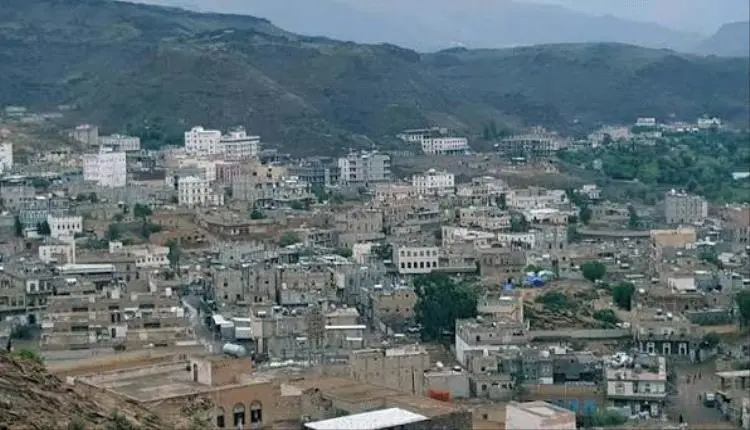
The city of Taiz holds a special place in this narrative, recognized as a historical cradle of the Yemeni national movement and a beacon of knowledge, culture, and valiant struggle. Taiz embraced the national movement, significantly supporting both the September 26th and October 14th revolutions, and bolstering the path to national liberation, culminating in South Yemen's independence and the departure of the final British soldier on November 30, 1967. With its deep national and cultural heritage, Taiz has remained a vital force throughout Yemen's republican journey, a steadfast pillar in the project of building a national state.
Fifty-nine years after that hard-won independence, Yemenis find themselves ensnared in a tragic reality imposed by war and the Houthi coup. This conflict has plunged the nation back into a struggle for freedom and dignity, as the Houthi militia relentlessly seeks to humiliate Yemenis, violate their dignity, and strip them of their rights and freedoms. Through the forceful imposition of control, the dismantling of state institutions, arbitrary arrests, enforced disappearances, torture, the persecution of journalists, activists, and dissidents, and the stifling of civil society and media, these violations have impacted all segments of society.
The Houthi militia's transgressions extend beyond the suppression of political and media freedoms, deeply intruding into the daily lives of citizens. Restrictions on women's movement, interference in social and cultural activities, and the weaponization of judicial and security apparatuses against dissenters are commonplace. They have also violated privacy and individual rights, employing intimidation tactics against anyone who opposes their policies.
In the face of such oppressive practices, many Yemenis confront a reality where legal protections are dwindling, and the fear of arrest and persecution for expressing opinions, taking a stance, or protesting is ever-present.
The irony is perhaps most painfully evident in Taiz. As this year's independence anniversary arrives, the Houthi militia continues its tight siege on the city, severely restricting the movement of citizens through its roads and access points. This prolonged humanitarian ordeal, spanning many years, has placed an immense burden on its residents, particularly the sick, women, children, and the elderly. Taiz, a city that played such a pivotal role in supporting the September and October revolutions and achieving independence, now finds itself under a siege that denies its people basic rights, including freedom of movement and access to healthcare, education, essential services, and daily necessities.
The repercussions of the siege extend far beyond the closure of roads and the disruption of transportation. They encompass soaring costs for travel and basic goods, immense difficulties for patients seeking medical care, and the obstruction of vital commercial supplies and humanitarian aid. Moreover, civilians face grave dangers from shelling, targeted attacks, and the pervasive threat of landmines planted in the city's periphery and surrounding rural areas.
According to data from the Ministry of Human Rights, the siege and restrictions on aid access have endangered approximately 2.5 million people. The Yemeni Network for Rights and Freedoms has documented 1,891 crimes and violations in Taiz Governorate between early September and October 22, 2026, including killings, injuries, abductions, enforced disappearances, shelling, property destruction, and the intensification of the siege.
The suffering of Yemenis is not confined to the siege and security and human rights violations. It extends to an unprecedented economic and humanitarian crisis, marked by widening poverty, hunger, and displacement. Basic services have deteriorated, salaries remain unpaid in Houthi-controlled areas, and opportunities for employment and income have drastically reduced.
United Nations estimates indicate that over 21 million Yemenis will require humanitarian assistance in 2026, a stark indicator of the catastrophic scale of the disaster wrought by the Houthi coup and their war on Yemen, which has persisted for over a decade.
Caught between a generation that took up arms against British colonialism and a generation now grappling with the aftermath of the Houthi coup and its devastating war, the questions surrounding the fate of the national project, for which Yemenis sacrificed so much in the September and October revolutions, resurface with renewed urgency. Just as their ancestors refused to submit to foreign colonialism and domination, Yemenis today face the daunting challenge of reclaiming their state, ending the Houthi coup, restoring their national institutions, and securing their right to choose their leaders, free from coercion, violence, and the imposition of a fait accompli. This struggle transcends the mere acquisition of power; it is a fight for the Yemeni people's right to life, liberty, dignity, and equal citizenship.
The 30th of November is more than just an occasion to remember the departure of the last British soldier and to honor the heroism of revolutionaries and freedom fighters. It is a national milestone for rediscovering the core values that fueled the September and October revolutions: liberation from tyranny and colonialism, and the establishment of a republic founded on law and justice. The independence of a nation is not complete merely with the withdrawal of a colonial power or the end of foreign presence; it is solidified by building a state that protects its citizens, safeguards their freedoms and dignity, guarantees their rights, and prevents the resurgence of tyranny in different forms and under different guises.
This is the profound message that Independence Day imparts today, as Yemenis continue their arduous battle to restore their state, end their suffering, and achieve lasting peace and stability.