Simultaneous naval incidents in Libya and heightened rhetoric from the US regarding Iran underscore a dangerous escalation of geopolitical rivalries impacting vital maritime routes. Explosions rocked a Russian vessel in Benghazi, Libya, while US President Donald Trump issued explicit threats against Iranian ships attempting to breach naval blockades in the Strait of Hormuz.
These parallel events raise significant questions about whether divided nations, such as Libya, are becoming collateral damage in larger international conflicts. The incidents suggest a potential convergence of maritime confrontation across various strategic waterways, from the Black Sea and Mediterranean to the Strait of Hormuz, possibly influenced by recent high-level international summits.
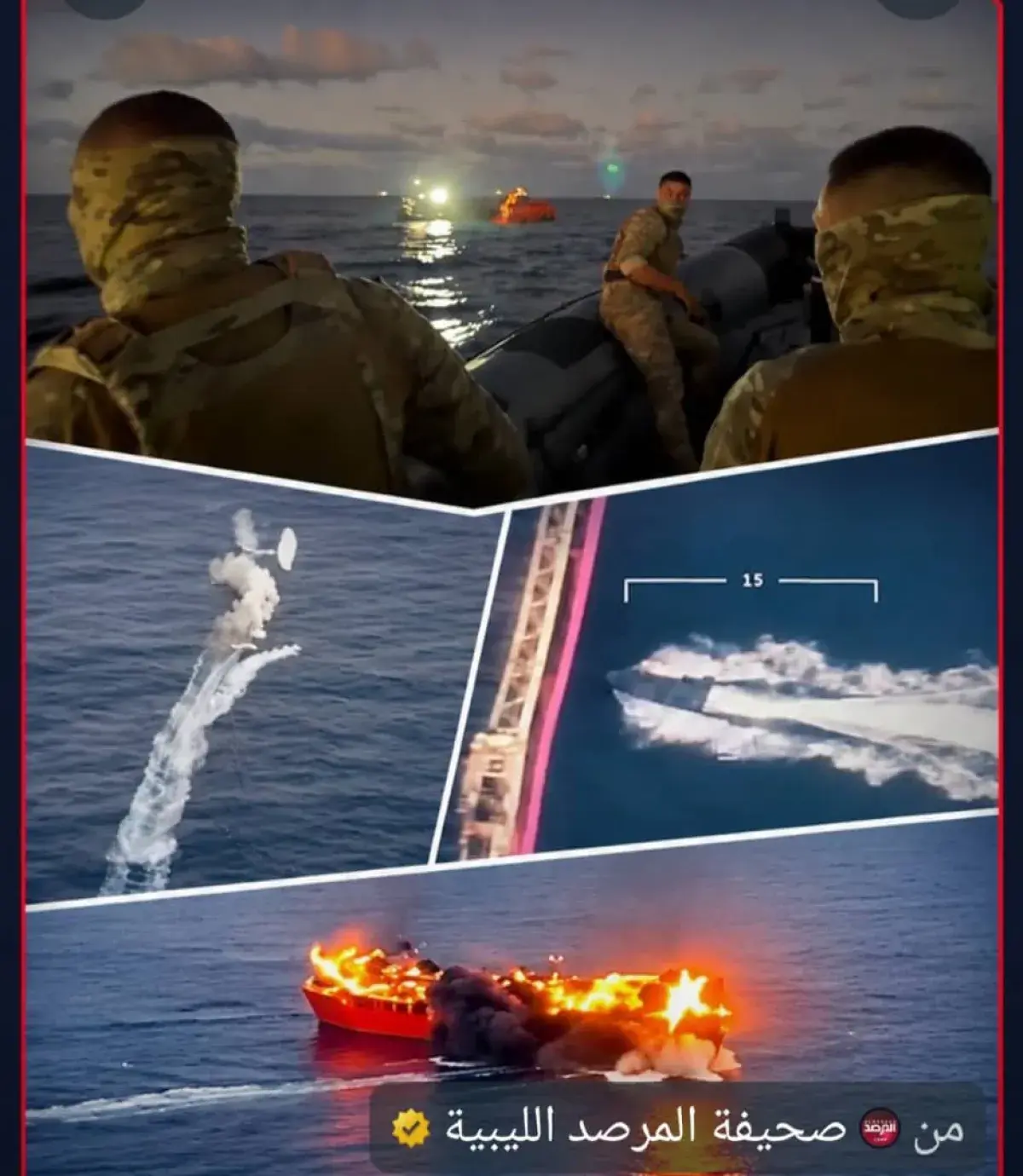
In Benghazi, a powerful explosion and fire occurred aboard a Russian vessel docked at the naval base early Sunday. The government appointed by the House of Representatives, led by Osama Hammad, stated that initial investigations suggest the ship was targeted by unmanned aerial vehicles while refueling. Unconfirmed reports from Axios, citing an informed source, attribute the long-range strike to Ukraine's Security Service (SBU). Maritime analysts identified the vessel as the Russian corvette "Mercury," with assessments suggesting near-total destruction.
Libyan sources indicated that six naval drones participated in the attack, with four intercepted by defenses and two striking the ship. Medical officials reported minor injuries to ten Russian and Libyan personnel, with no fatalities. Later that evening, commercial and military sources reported that a Maltese-flagged merchant ship was attacked by a bomb-laden drone off the coast of Benghazi. Libyan naval and air forces reportedly intercepted over twelve, and in some accounts over twenty, unmanned surface vessels. Some reports suggest the drones were Ukrainian-made Magura models.
The Libyan National Army (LNA) has reportedly been placed on high alert. These developments follow a series of Ukrainian operations targeting Russian assets in the Mediterranean, including a reported attack on a Russian oil tanker in December 2025. Moscow has previously accused Kyiv of using drones launched from the Libyan coast to target a liquefied natural gas tanker in March 2026.
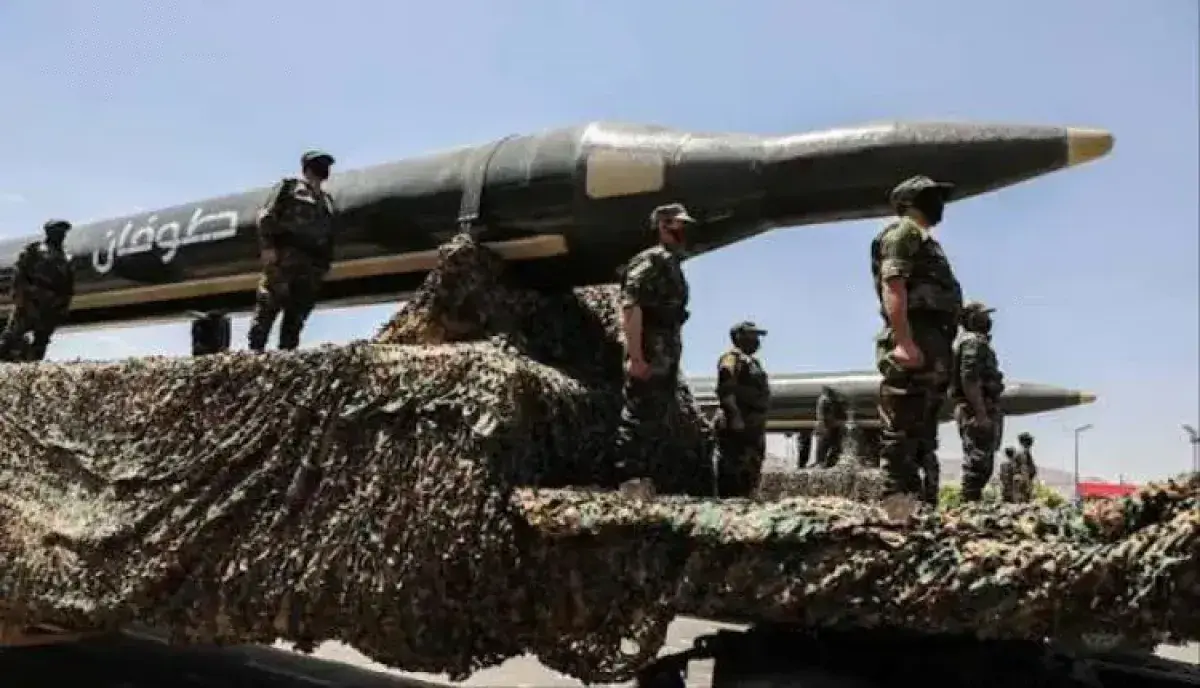
Concurrently, US President Donald Trump warned Tehran in recent statements, threatening to resume major military operations against Iran after the New Year if no agreement is reached. He stated unequivocally that American forces would fire upon any Iranian vessel attempting to test the naval blockade, asserting, "Iranian ships that try to break the naval blockade will be sunk." This declaration comes as Iran's Deputy Foreign Minister declared that his country considers the economic blockade an act of war and will take necessary measures to break it.
Analysts suggest that Trump's remarks could precipitate a significant naval escalation in the Strait of Hormuz, potentially trapping global navigation between drone warfare in the Mediterranean and a maritime blockade in the Persian Gulf. The incidents in Benghazi are seen as unprecedented, marking the first known instance of Russian vessels being targeted in a third-party port. This suggests a strategy by Kyiv to pursue Russian assets globally, while Washington appears poised to escalate the blockade on Iran into open conflict. Nations like Libya, Lebanon, Iraq, and Yemen, characterized by internal divisions, appear to be bearing the brunt of external conflicts on their territories and maritime domains.