An investigative report has revealed that several Houthi leaders are allegedly managing a network responsible for the misappropriation of international aid intended for Yemen. The report claims these leaders are exploiting their influence within the group's institutions to control humanitarian funding and relief contracts. Since 2015, aid to Houthi-controlled areas has reportedly exceeded $29 billion, yet 19.5 million Yemenis continue to face severe hunger and require assistance.
The systematic diversion and looting of aid have led to a decline in donor confidence, consequently impacting the funding for Yemen's humanitarian response plan. Funding for 2025 has reportedly dropped to approximately 25%, prompting UN agencies to scale back their services and relief programs.
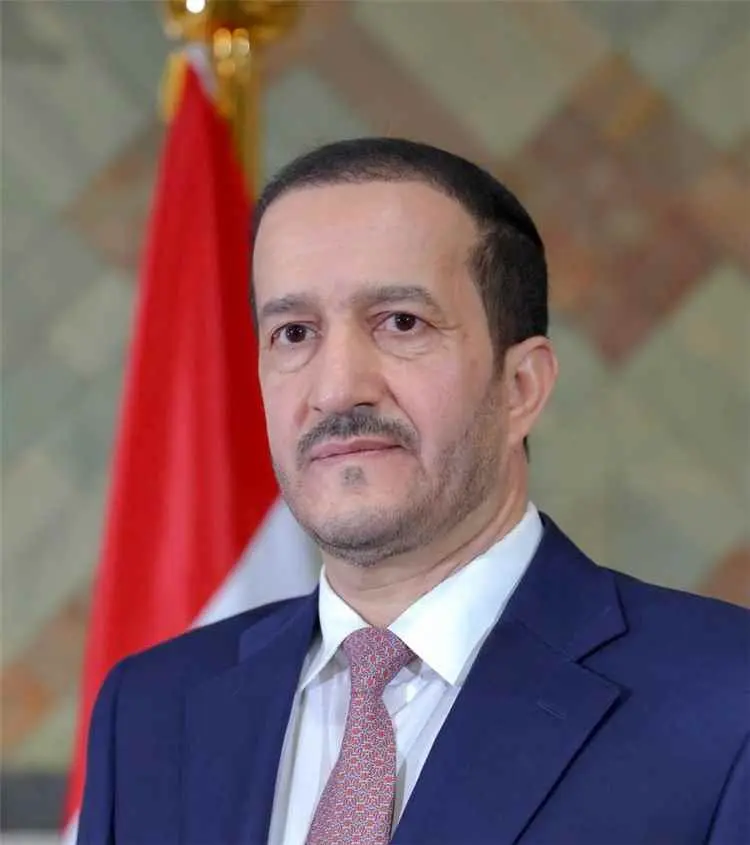
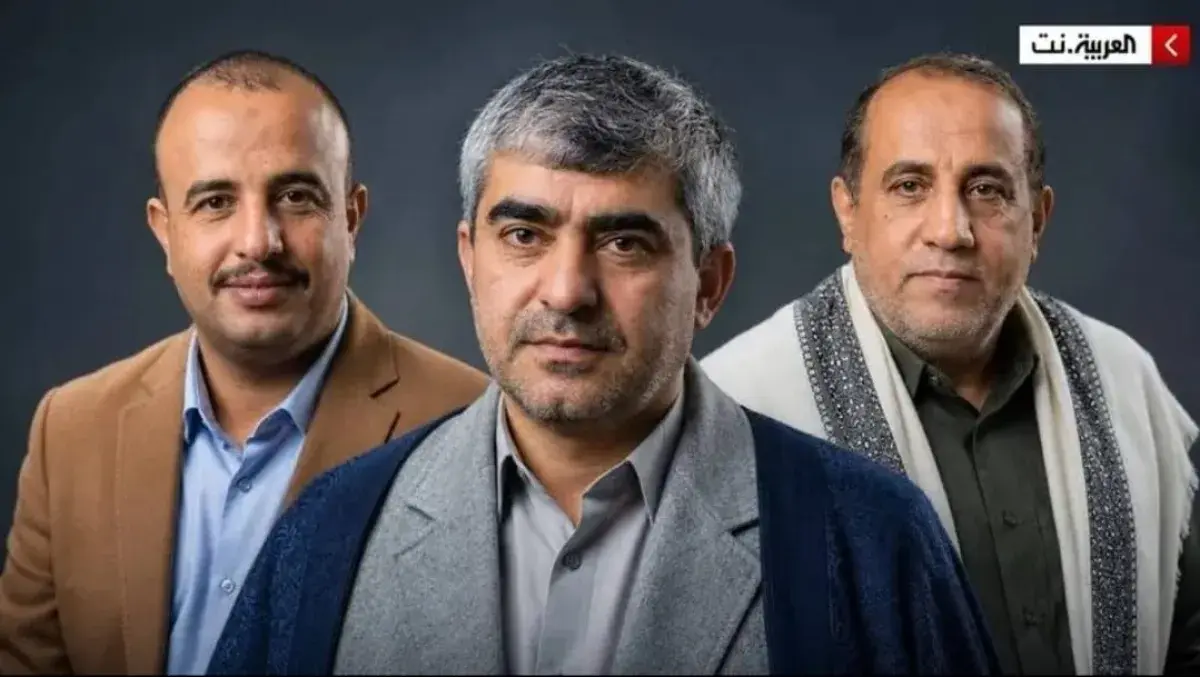
The investigation identified three prominent Houthi figures allegedly playing key roles in this aid diversion network. Ahmad Hamed, who purports to be the chief of staff for the Houthi-appointed president of the Supreme Political Council, is accused of overseeing the siphoning of 30% to 40% of humanitarian project budgets. He is also alleged to have embezzled billions from revenue funds and managed oil companies.
Also named is Abdulmohsen Al-Tawoos, who claims to be the Secretary-General of the Supreme Council for the Management and Coordination of Humanitarian Affairs. The report implicates him in directing tenders towards companies affiliated with the Houthi group and in mandating the employment of their loyalists within humanitarian organizations.
The list includes Ali Al-Hadi, who has been designated on terror watchlists. He is accused of collaborating with companies awarded relief contracts and allegedly supplying substandard food items as part of humanitarian aid efforts.
This situation unfolds against a backdrop of the Houthi group's alleged appropriation of state resources and public revenues, utilizing governmental institutions and public funds to benefit its leaders and economic networks. Furthermore, the group is accused of imposing restrictions and interference in the operations of humanitarian organizations, thereby controlling the flow of international aid.
In contrast, millions of citizens in areas under Houthi control are enduring deteriorating living conditions, characterized by widespread poverty, hunger, and a decline in essential services. State employees have reportedly been denied salaries for years, exacerbating the suffering of families struggling to afford basic food and living necessities.