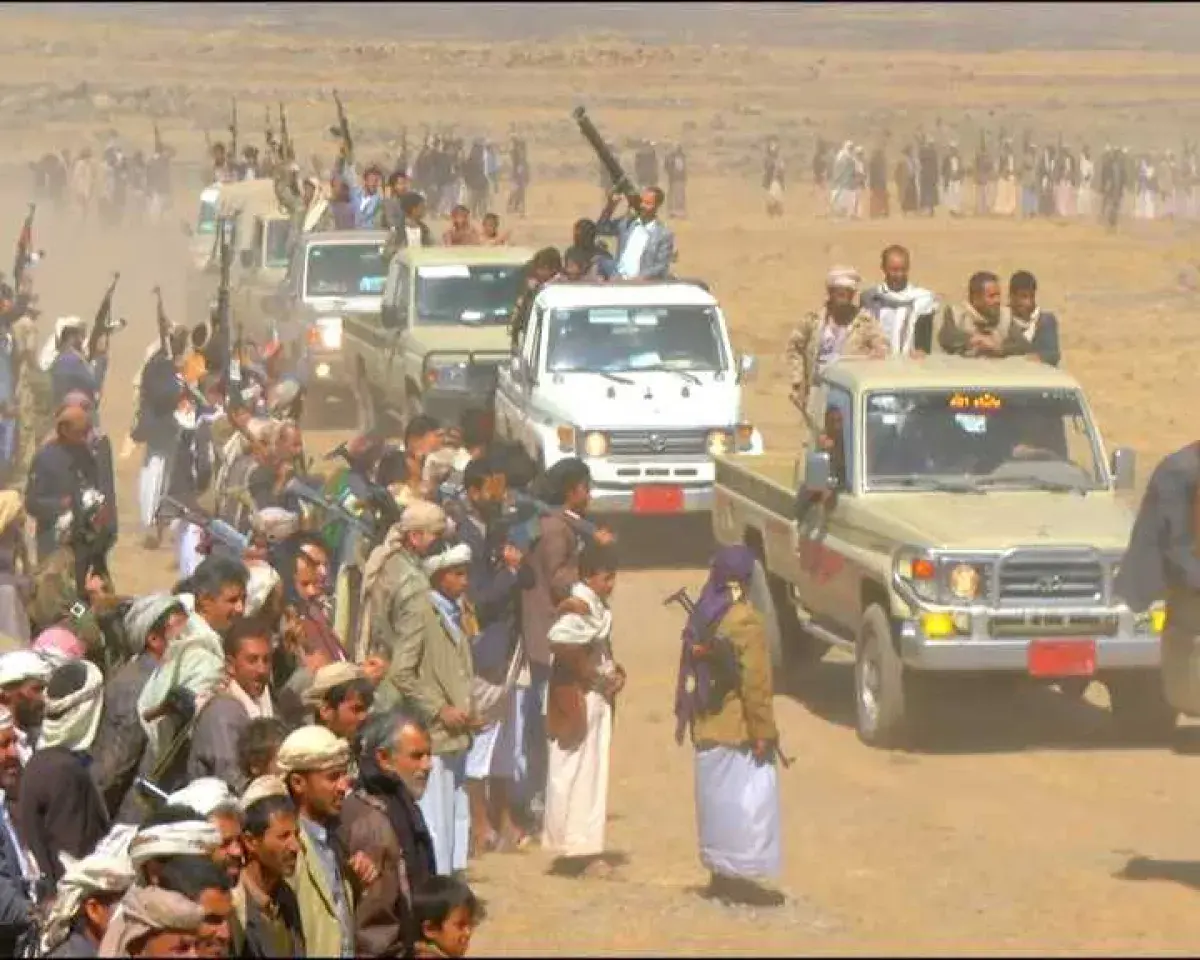
In the wake of the 2011 chaos and the 2014 Houthi coup, Yemen has been irrevocably transformed, particularly for its tribal communities. Once bastions of protection and honor, Yemeni tribes now find themselves systematically violated, their lands seized, dignity shattered, and sovereignty eroded under the oppressive grip of the Houthi militia.
Historically, Yemeni tribes served as pillars of society, a vital alternative to state authority. They safeguarded roads, protected caravans, righted wrongs, enforced customary law, and stood firmly against injustice. However, the Houthi regime, an Iranian proxy, has twisted this noble tradition, turning tribes into mere resources for spoils, taxation, conscription, and ultimately, victims.
This transformation has led to a profound tragedy, with tribes across Yemen experiencing unprecedented violations. From Hajur in Hajjah to Radaa in Al Bayda, and from Attamah and Ans in Dhamar to Ibb, Al Jawf, and Sana'a, the Houthi militia's systematic abuses have left a trail of destruction. These violations manifest in three critical ways: the infringement of tribal sovereignty, where decisions are dictated from above; the assault on tribal dignity, with individuals subjected to humiliation and their homes raided; and the erosion of tribal existence, as members are forced to fight and die on distant fronts, their leaders imprisoned and families displaced.
The plight of the Hajur tribes in Hajjah province serves as a stark example. In 2019, their fierce resistance against the militia was met with brutal retribution, described as war crimes, involving heavy weaponry, a suffocating siege, and the deaths, injuries, and abductions of hundreds. Similarly, in Radaa, Al Bayda, the Houthi militia has engaged in systematic brutality, including bombing civilian homes and besieging communities, leaving a wake of destruction and suffering.
In Attamah and Ans, the militia exacerbates tribal conflicts, fueling disputes over resources and power, leading to arrests and the targeting of tribal elders. Ibb province, once a hub of stability, now grapples with escalating unrest, arbitrary detentions, and the imposition of young, inexperienced supervisors over established tribal customs. In Al Jawf, the Houthi militia has engaged in forced displacement and the forceful seizure of vast agricultural lands, displacing thousands and imposing suffocating sieges.
Even in the capital, Sana'a, tribal leaders have been targeted through assassinations and abductions, fueling inter-tribal conflicts and suppressing dissent. The Houthi aim appears to be not just to rule, but to dismantle the very fabric of tribal society, transforming independent communities into a subjugated populace controlled from afar.
Despite these profound violations, the resilient spirit of the Yemeni tribes, forged through centuries of struggle against tyranny, remains unbroken. The very communities that have endured siege, destruction, and displacement are the ones who will likely spearhead the future restoration of the state, the protection of the republic, and the rejection of foreign influence.