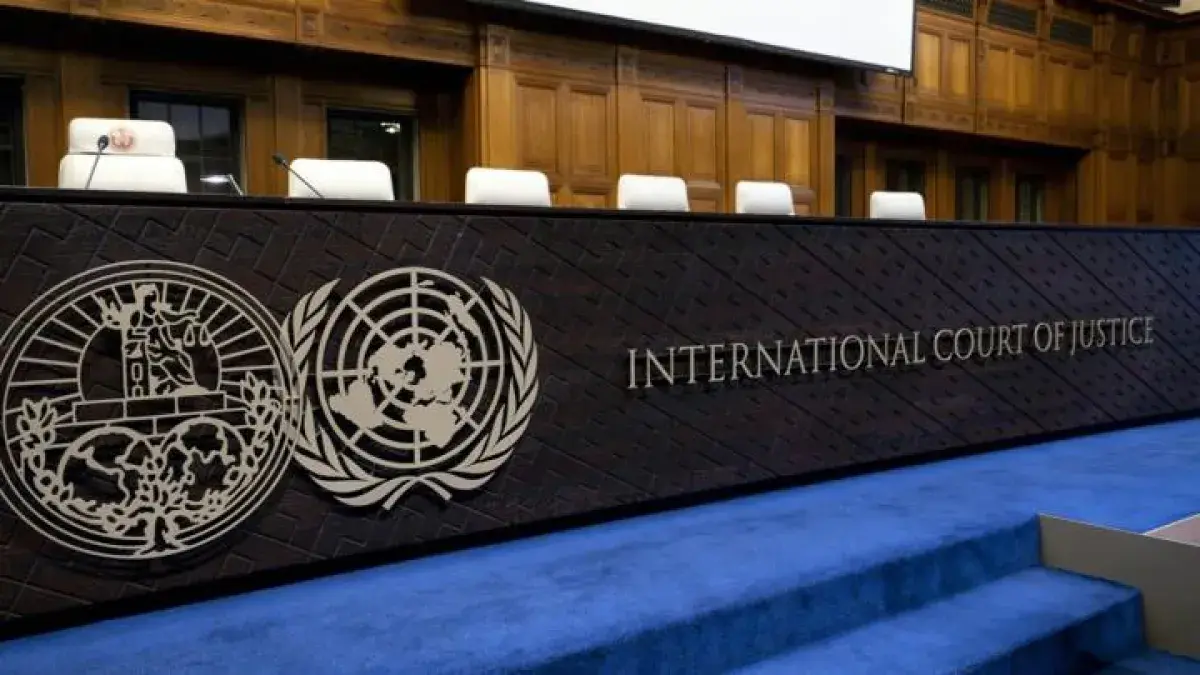
The question of who will hold the Houthi militia accountable for its alleged crimes in Yemen, whether through national courts or international tribunals, remains a critical issue. This analysis explores the legal frameworks and practicalities of pursuing justice for alleged atrocities.
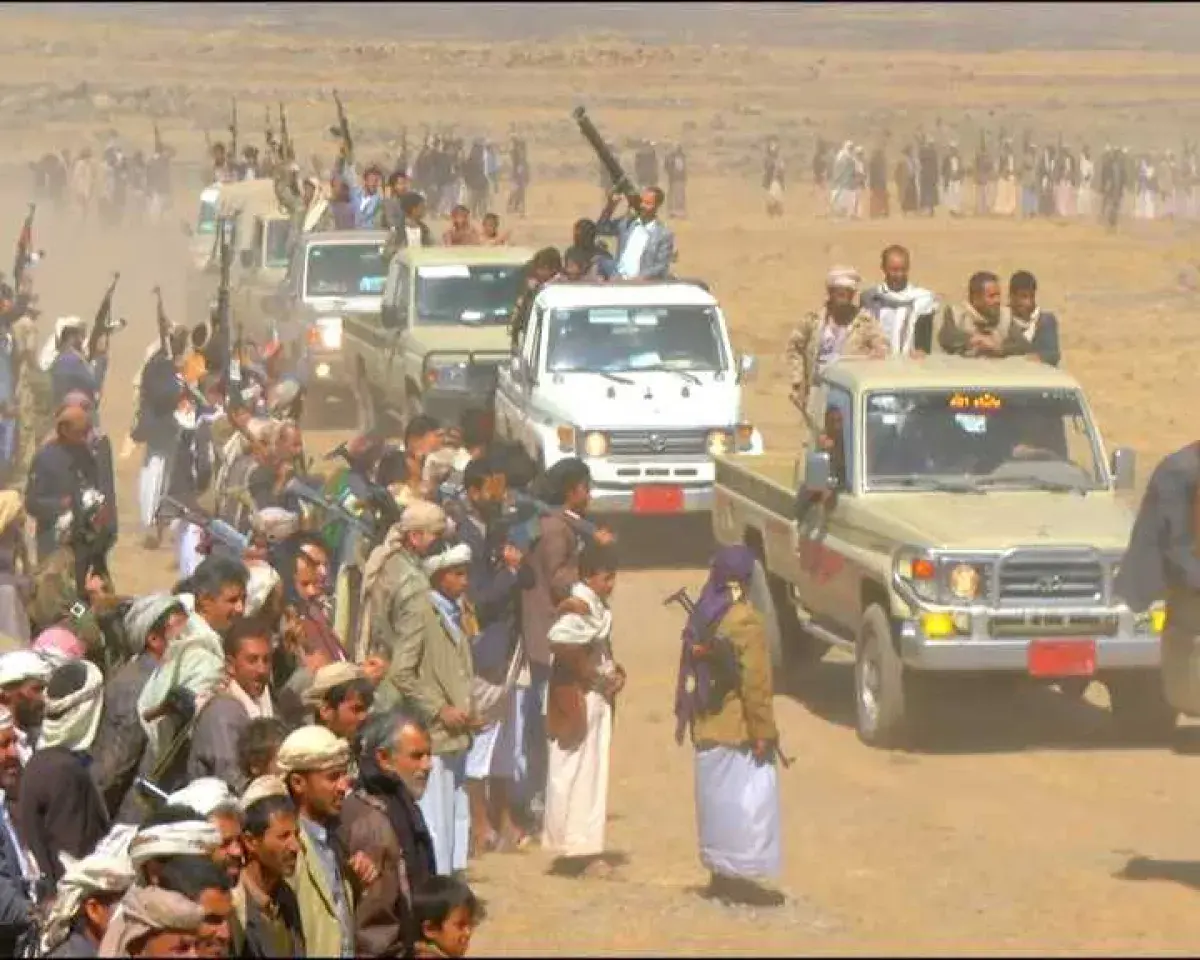
The Houthi movement, described as an Iranian-backed militia, faces accusations of numerous severe offenses. These include the assertion of a hereditary right to leadership, alignment with Iran's geopolitical agenda, the use of religious rhetoric to incite violence against fellow Yemenis, and a pattern of destructive actions such as bombing homes, looting land, displacing populations, and besieging communities. Critics also point to the group's alleged suppression of dissent, imposition of its ideology through educational curricula, and the withholding of state salaries while prioritizing military spending. Furthermore, the militia is accused of creating social stratification that contravenes Islamic and human rights principles.
Legally, there is no conflict between national and international jurisdiction in prosecuting war criminals and perpetrators of crimes against humanity among the Houthis; rather, these jurisdictions are complementary under international criminal and humanitarian law. Experts suggest a three-tiered approach to legal accountability. Firstly, national jurisdiction, through the Yemeni judiciary, holds primary responsibility for prosecuting crimes committed within Yemeni territory, adhering to the principle of territoriality. This includes war crimes, crimes against humanity, and terrorism offenses as defined by Yemeni law and international humanitarian law. However, the effectiveness of national jurisdiction is hampered by the lack of effective state authority across the entire territory and the division of judicial institutions.
Secondly, international jurisdiction, specifically the International Criminal Court (ICC), has the authority to prosecute individuals for the most heinous crimes: genocide, crimes against humanity, war crimes, and the crime of aggression. The ICC's jurisdiction over crimes committed in Yemen is limited, as Yemen is not a state party to the Rome Statute. Its involvement would require a referral from the UN Security Council under Chapter VII of the UN Charter or a special declaration by Yemen accepting the Court's jurisdiction. Even then, the ICC operates on the principle of complementarity, intervening only when national courts are genuinely unable or unwilling to conduct investigations and prosecutions.
Thirdly, universal jurisdiction allows any state party to the Geneva Conventions to prosecute perpetrators of war crimes, torture, and kidnapping, regardless of where the crimes were committed or the nationality of the perpetrators or victims. European courts have reportedly begun examining Yemeni cases, particularly following the designation of the Houthis as a terrorist organization, opening avenues for individual prosecutions of leaders when they travel abroad or possess assets overseas. This form of jurisdiction is considered the most practically swift, as it does not require a Security Council referral or Yemen's membership in the Rome Statute system.
Therefore, the legal order of accountability is currently structured as follows: firstly, universal jurisdiction through the courts of other nations, alongside continuous legal documentation; secondly, national jurisdiction through an independent Yemeni judiciary once state authority is restored; and thirdly, as a fallback, international jurisdiction before the ICC if national courts prove incapable. The Yemeni people, while not a judicial body, are the rightful claimants of justice, stakeholders in legal proceedings, and entitled to reparations and rehabilitation according to principles of transitional justice.
Individual Houthi members, irrespective of their official status or any perceived higher command, are held criminally responsible for their actions or orders leading to crimes, consistent with Article 27 of the Rome Statute and Article 7 of established principles of international criminal law. The inevitability of legal reckoning is thus framed not as a question of 'if,' but 'when' and 'before which court.' Yemeni officials, including the Minister of Legal Affairs, emphasize the primacy of national courts, while acknowledging the necessity of international mechanisms if domestic avenues are obstructed. Experts and international organizations have repeatedly called for international accountability mechanisms, including referral to the ICC, citing the severe and widespread human rights violations and the failure of national judicial systems to provide comprehensive justice due to susceptibility to conflict party influence.